
<script type="application/ld+json">
{
  "@context": "https://schema.org",
  "@type": "BlogPosting",
  "@id": "https://financejourney.press/cash-stuffing-2-0-in-2026-the-viral-budgeting-method-helping-people-save-more-without-feeling-restricted/#blogposting",
  "mainEntityOfPage": {
    "@type": "WebPage",
    "@id": "https://financejourney.press/cash-stuffing-2-0-in-2026-the-viral-budgeting-method-helping-people-save-more-without-feeling-restricted/"
  },
  "url": "https://financejourney.press/cash-stuffing-2-0-in-2026-the-viral-budgeting-method-helping-people-save-more-without-feeling-restricted/",
  "headline": "Cash Stuffing 2.0 in 2026: The Viral Budgeting Method Helping People Save More Without Feeling Restricted",
  "description": "Discover Cash Stuffing 2.0, the trending 2026 budgeting method that helps you control spending, reduce impulse purchases, and save more without feeling restricted. Includes setup steps, envelope categories, mistakes to avoid, and a realistic budget example.",
  "image": [
    "https://financejourney.press/wp-content/uploads/2026/01/23.webp",
    "https://financejourney.press/wp-content/uploads/2026/01/Hands-organizing-cash-into-labeled-budgeting-envelopes-on-a-desk-modern-home-setting-personal-finance-planning-realistic-photography-natural-light-high-detail-high-resolution.webp",
    "https://financejourney.press/wp-content/uploads/2026/01/Modern-personal-budget-infographic-with-categories-rent-bills-groceries-dining-transport-savings-clean-typography-professional-design-high-resolution-illustration.webp"
  ],
  "author": {
    "@type": "Person",
    "name": "Finance Journey"
  },
  "publisher": {
    "@type": "Organization",
    "name": "Finance Journey",
    "url": "https://financejourney.press/",
    "logo": {
      "@type": "ImageObject",
      "url": "https://financejourney.press/wp-content/uploads/2026/01/logo.png"
    }
  },
  "datePublished": "2026-01-19",
  "dateModified": "2026-01-19",
  "inLanguage": "en",
  "isAccessibleForFree": true,
  "articleSection": "Personal Finance",
  "keywords": [
    "cash stuffing",
    "cash stuffing 2.0",
    "envelope budgeting",
    "budgeting method 2026",
    "personal finance",
    "how to budget",
    "save money",
    "stop impulse spending"
  ],
  "wordCount": 1800
}
</script>
Budgeting has a reputation for being complicated. People imagine spreadsheets, strict rules, and constant guilt. But in 2026, a different type of budgeting is trending because it feels practical, simple, and realistic. It’s called Cash Stuffing 2.0, and it’s becoming popular for one main reason: it works in real life.
Unlike traditional budgeting methods that depend on willpower alone, cash stuffing changes how you spend. It makes money visible again. In a world of tap-to-pay, online shopping, subscriptions, and instant checkout, money often disappears without you noticing. Cash Stuffing 2.0 reverses that by creating clear spending limits and giving you control without making you feel broke.
This guide explains exactly what Cash Stuffing 2.0 is, why it’s trending right now, and how you can set it up step-by-step, even if most of your spending is digital.
Why Budgeting Feels Hard in 2026
Most people don’t struggle with budgeting because they don’t care. They struggle because modern spending is designed to be effortless. You can buy anything in seconds. Your card details are saved. Your apps remember your payment information. Your subscriptions renew automatically. Even small purchases become easy to repeat daily.
This creates four major budgeting problems:
First, spending becomes invisible. When you’re not physically handing over cash, you don’t feel the cost the same way.
Second, subscriptions quietly drain your income. Many people are paying for things they rarely use.
Third, lifestyle creep increases expenses as income increases. What starts as an occasional luxury becomes normal spending.
Fourth, social media creates constant triggers to buy more. New trends, “must-have” products, and influencer shopping lists encourage impulse spending.
Cash Stuffing 2.0 is trending because it directly solves these problems.
What Is Cash Stuffing 2.0?

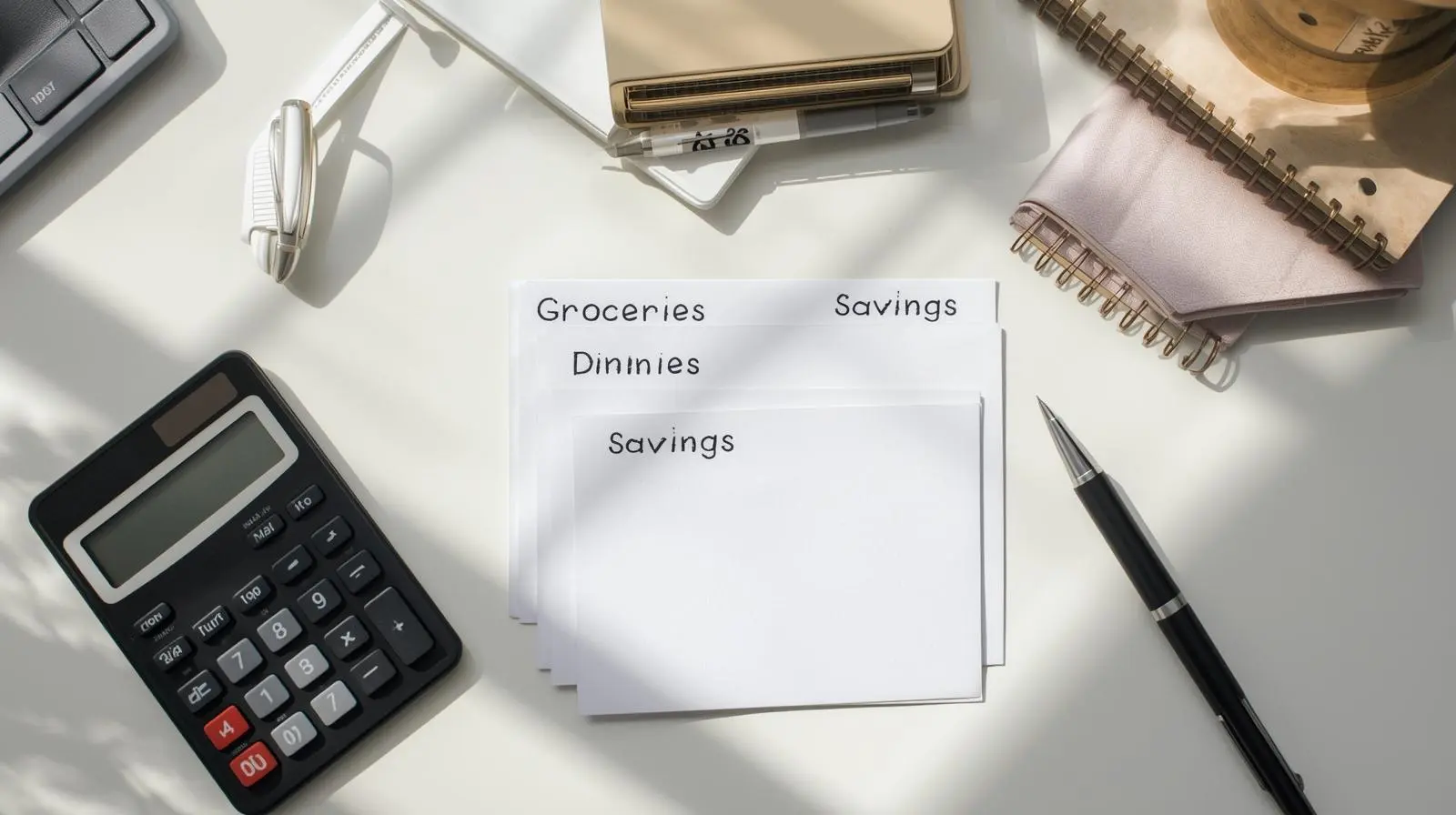
Cash stuffing is a budgeting method where you withdraw cash and divide it into categories. Each category has a limit. Once that limit is reached, spending stops until the next budgeting cycle.
Cash Stuffing 2.0 is the modern version of this method. It combines the best of both worlds:
- Cash envelopes for categories where people overspend
- Digital automation for bills and savings
- Simple tracking for insight and improvement
It’s not about going fully cash-only. It’s about using cash strategically to control the spending categories that usually cause financial stress.
Why Cash Stuffing 2.0 Works Better Than “Normal Budgeting”
Most budgets fail because they’re created after the money is already gone.
Traditional budgeting usually looks like this:
You earn money, spend normally, then try to track what happened later.
Cash Stuffing flips the process:
You decide limits first, then spend within those limits.
This method works well because it creates spending friction. Spending friction is the small pause that happens when spending feels real. Digital spending removes friction. Cash adds it back.
When cash is in your hand, you become more intentional. You think twice before making unnecessary purchases. You can physically see what’s left. And that changes behavior faster than any spreadsheet ever could.
Who Should Use Cash Stuffing 2.0?
This method is especially helpful for:
- People who feel like money disappears too quickly
- Anyone trying to reduce impulse spending
- People living paycheck-to-paycheck
- Freelancers or business owners with irregular income
- Couples who want clearer spending boundaries
- Anyone who has tried budgeting apps but still overspends
If you’ve ever said “I make money but I don’t know where it goes,” this method is designed for you.
Step-by-Step: How to Start Cash Stuffing 2.0
Step 1: Calculate Your Monthly Income
If your income is fixed, use your salary amount.
If your income varies, use an average from your last three months:
(Month 1 + Month 2 + Month 3) ÷ 3
This gives you a realistic number to budget from.
Step 2: List Your Fixed Expenses
Fixed expenses are bills that must be paid, including:
- Rent or mortgage
- Utilities
- Internet and phone
- Loan repayments
- Insurance
- School fees
- Any essential subscriptions
These expenses should stay digital. Automating fixed expenses is one of the best financial habits you can build.
Step 3: Automate Savings First
Cash stuffing helps control spending, but saving is what builds financial stability. The best Cash Stuffing 2.0 system starts with automated savings.
Even small amounts matter. Consistency is more important than size in the beginning.
Examples:
- Emergency savings: set a fixed amount monthly
- Investing: set a monthly transfer to your investment account
- Goal savings: travel, education, or a large purchase
Automating savings means you’re building a future while controlling your present spending.
Step 4: Choose Your Cash Envelope Categories
Do not start with too many categories. Most beginners fail because they create 15 to 20 envelopes and become overwhelmed.
Start with 3 to 6 categories:
- Groceries
- Dining out
- Fuel/transport
- Shopping
- Entertainment
- Miscellaneous
These categories cover most lifestyle spending.
Step 5: Use Weekly Cash Budgets Instead of Monthly
Monthly budgets often fail because one bad week can ruin the whole plan.
Weekly budgets give you control and reduce stress.
Example:
If groceries budget is $400/month:
You withdraw $100/week for groceries.
If dining budget is $160/month:
You withdraw $40/week for dining.
Weekly cash makes budgeting realistic.
Step 6: Withdraw Cash and Set Your Envelopes
Withdraw only the amount needed for your envelope categories, not your whole monthly income.
Label each envelope clearly. Put the correct amount in each envelope. Then follow one rule:
Only spend from the correct envelope.
If the dining envelope is empty, you don’t eat out until next week. If the shopping envelope is empty, shopping stops.
That’s where the power comes from.
Step 7: Track Spending for Improvement
Cash stuffing creates control, but tracking creates progress.
Tracking doesn’t have to be complicated. You can track by writing down how much you spent from each envelope or using a simple spreadsheet.
The purpose of tracking is to answer:
- Which categories are too low?
- Which categories are too high?
- Which spending habits need improvement?
Budgets are not one-time plans. They are systems that evolve.
The Best Envelope Categories for Real Results
Not every spending category needs to be cash.
Cash envelopes work best for categories where spending becomes emotional, impulsive, or inconsistent.
Best categories for envelopes:
- groceries
- dining out
- snacks/coffee
- entertainment
- shopping
- fuel/transport
Categories better handled digitally:
- rent
- utilities
- loan payments
- insurance
- subscriptions
The key idea is to use cash only where it creates better discipline.
The Most Common Mistakes (And How to Avoid Them)
Mistake 1: Setting Unrealistic Limits
If you normally spend $200 per month on dining, budgeting $20 will not work. You’ll break the rules quickly and quit.
Start with your real spending, then reduce gradually.
Mistake 2: Ignoring Irregular Expenses
Budgets fail when “unexpected but predictable” costs appear:
- birthdays
- gifts
- repairs
- school expenses
- annual subscriptions
Fix this by creating a buffer category called “Irregular Expenses” and adding money to it monthly.
Mistake 3: Borrowing From Other Envelopes
Borrowing creates weak discipline. If one envelope runs out, you either stop spending or adjust your budget next week. Borrowing turns a budget into an excuse.
Mistake 4: Not Combining Savings With Cash Stuffing
Cash stuffing alone controls spending. Savings automation builds stability and wealth. The strongest system includes both.
A Realistic Example: Cash Stuffing 2.0 Monthly Budget
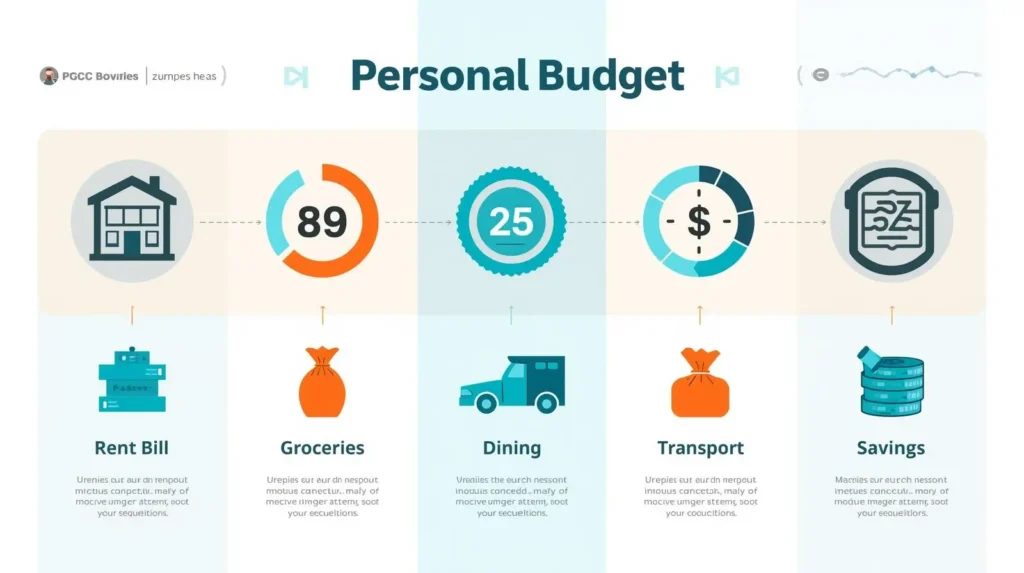
Let’s say income is $3,000/month.
Fixed expenses (digital):
- Rent: $1,200
- Utilities: $200
- Internet/phone: $100
- Insurance: $150
- Subscriptions: $50
Total fixed = $1,700
Savings automation:
- Emergency fund: $200
- Investments: $150
Total savings = $350
Remaining = $950
Envelope spending (weekly):
- Groceries: $100/week = $400
- Dining: $40/week = $160
- Fuel: $35/week = $140
- Shopping: $35/week = $140
- Entertainment: $20/week = $80
- Misc: $30/month = $30
Total envelope spending = $950
This budget is simple, practical, and works for modern life.
How to Make Cash Stuffing Work Even If You Spend Online
Many people think cash stuffing only works if you shop in person. That’s not true.
Use a hybrid system:
- cash for offline lifestyle spending
- digital limits for online spending
You can create “digital envelopes” by using:
- separate accounts for spending categories
- prepaid cards for shopping
- budgeting apps with category limits
The goal is not physical envelopes. The goal is boundaries.
Final Thoughts: Why Cash Stuffing 2.0 Is More Than a Trend
Cash Stuffing 2.0 is trending because people want financial control that feels realistic. It doesn’t require complex rules. It doesn’t depend on motivation. It creates a clear system that changes spending behavior quickly.
If you want to start, keep it simple. Create three envelopes:
- groceries
- dining
- shopping
Try it for 30 days. Once you see the difference, expand your system.
Financial freedom starts with small habits that you can actually maintain.